Our best keto and low-carb pumpkin and squash recipes

Here you’ll learn which pumpkins and squashes to choose, how to cook them, and find plenty of delicious low-carb recipes featuring pumpkin, squash, pumpkin seeds, and warming pumpkin spice.
Pumpkin and winter squash come in many different shapes, colors, and flavors. Depending on the variety, the flesh can range from mild and slightly sweet to rich, nutty, and buttery. Roast it until golden, turn it into a creamy soup or homemade pumpkin purée, use spaghetti squash as a gluten-free pasta alternative, or bring seasonal flavor to low-carb baking with pumpkin spice.
And don’t forget the seeds. Pumpkin seeds are naturally low in carbs and provide protein, unsaturated fats, and minerals including magnesium, zinc, iron, phosphorus, copper, and manganese, making them a nutritious addition to salads, breads, snacks, and other low-carb dishes.
In the Northern Hemisphere, pumpkin season typically runs from late summer through fall, although popular varieties such as butternut squash are often available year-round. Whole winter squash also keeps well when stored in a cool, dry place, making it a useful ingredient to have on hand.
The carb content varies considerably between different types of pumpkin and winter squash, so portion size and the variety you choose matter. Keep reading for some of our favorite varieties, their approximate carb counts, and the best ways to use them.
Low-carb recipes with pumpkin, squash, and pumpkin seeds





Low-carb pumpkin desserts and drinks
Pumpkin and warming pumpkin spice are made for fall treats. From a classic creamy pumpkin pie to spiced cookies and a cozy pumpkin latte, these low-carb recipes bring plenty of seasonal flavor without the usual load of sugar.
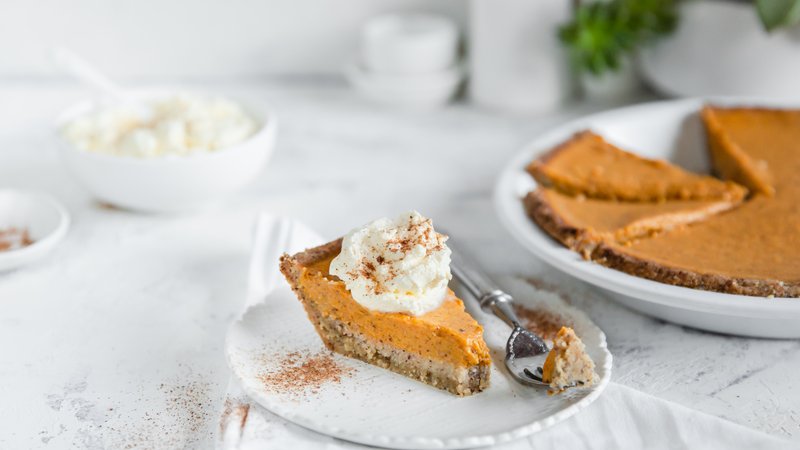
Low-carb pumpkin pie
A classic fall favorite with a low-carb twist. This creamy pumpkin pie is full of warm seasonal spices and makes a delicious dessert for Thanksgiving, the holidays, or any autumn gathering.
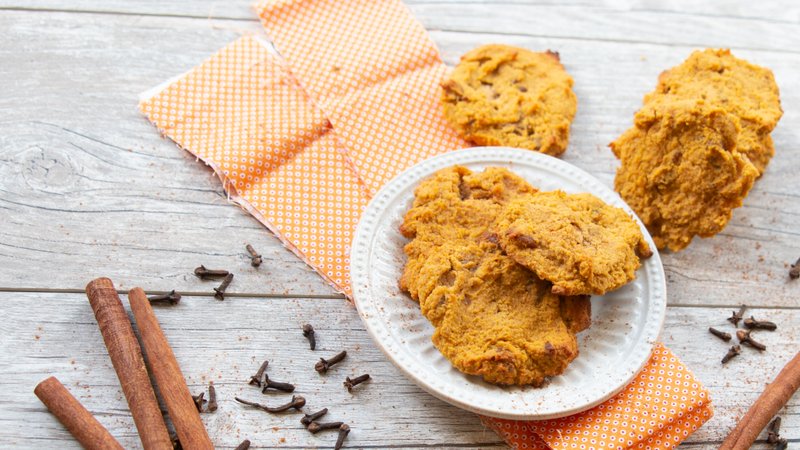
Low-carb pumpkin spice cookies
Soft, warmly spiced cookies packed with cozy fall flavor. A simple low-carb treat for pumpkin spice season.
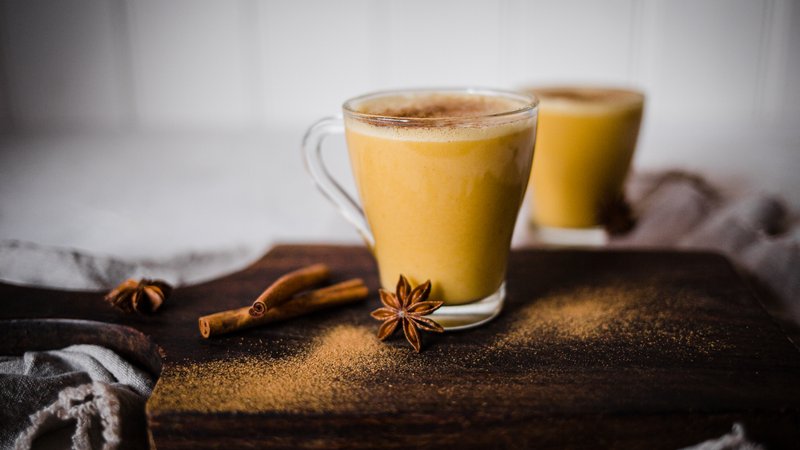
Pumpkin spice latte
Bring the coffee-shop favorite home with this cozy pumpkin latte. Rich, creamy, and full of warming pumpkin spice flavor.
Low-carb pumpkin breads and crackers
Pumpkin, pumpkin seeds, and warming spices also work beautifully in savory baking. Try these low-carb breads and crackers as a seasonal snack, with cheese or spreads, or simply with a generous layer of butter.
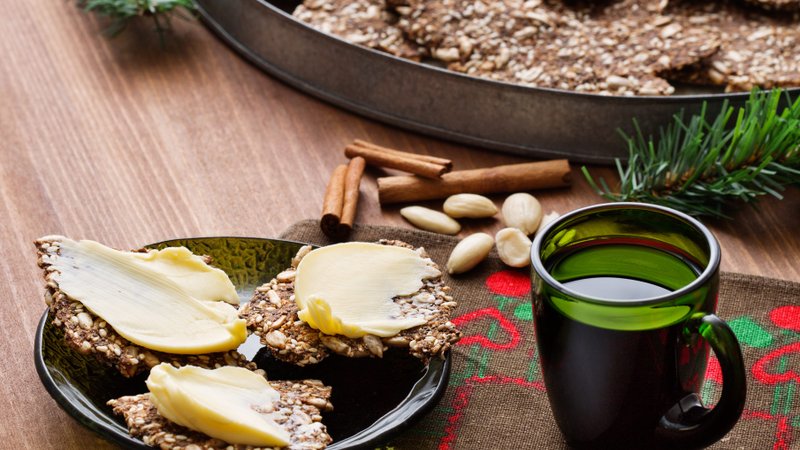
Low-carb pumpkin spice crackers
Crispy crackers with warming pumpkin spice flavors. Enjoy them as a seasonal low-carb snack or serve them with your favorite cheese or spread.
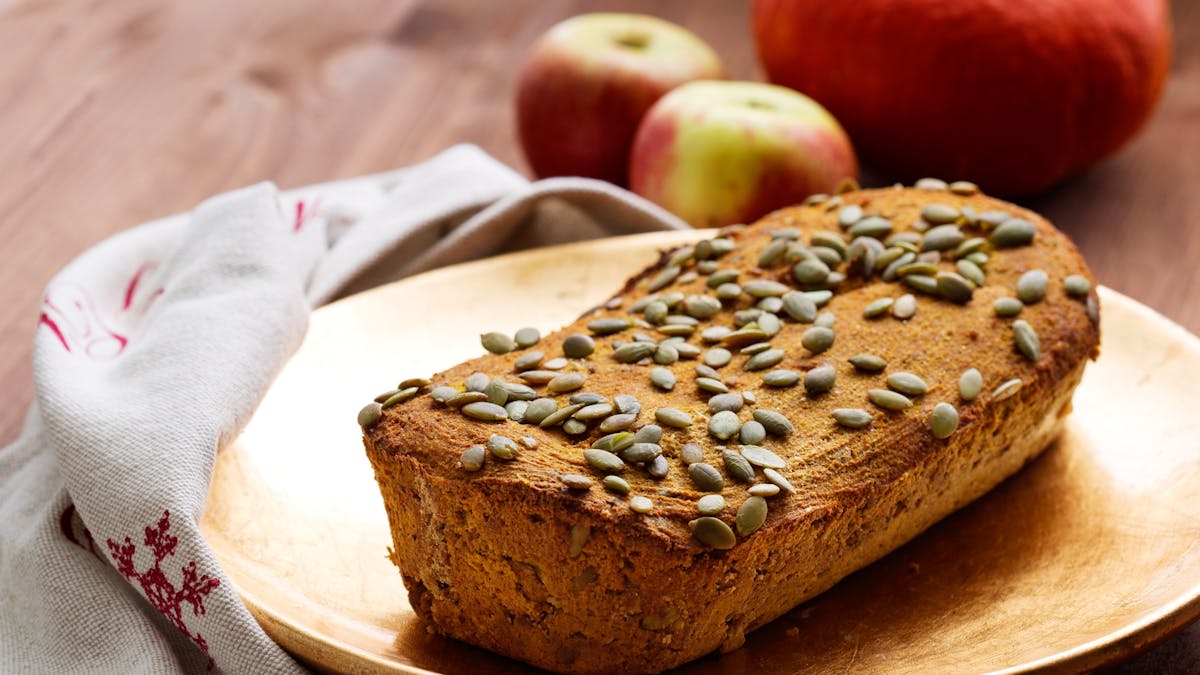
Spicy pumpkin bread
A warmly spiced low-carb bread that’s perfect for fall. Enjoy a slice with butter or serve it alongside a cup of coffee or tea.
How to cook pumpkin and winter squash
Pumpkin and winter squash are incredibly versatile. Depending on the variety, you can roast, air fry, simmer, steam, or slow cook them. Use the cooked flesh as a side dish, add it to soups and stews, blend it into purée, or use it in low-carb baking.
Roast pumpkin in the oven
Roasting brings out the natural sweetness of pumpkin and gives it delicious caramelized edges. Peel the squash if needed, remove the seeds, and cut the flesh into cubes or wedges. Toss with olive oil or melted butter, season with salt and your favorite herbs or spices, and roast at 400°F (200°C) until tender and golden.
You can also roast many varieties in halves. Scoop out the seeds, place the squash cut-side down on a baking sheet, and roast until the flesh is completely tender. Once cool enough to handle, simply scoop it out of the skin.
Air fryer pumpkin
The air fryer is a quick and easy way to cook pumpkin or winter squash, especially when you want browned edges without turning on the oven.
Cut the squash into evenly sized cubes or wedges and toss with a little olive oil, salt, and your favorite seasonings. Air fry at around 375°F (190°C), shaking or turning halfway through, until golden and fork-tender. Cooking time will vary depending on the variety and size of the pieces.
Make your own pumpkin purée
Homemade pumpkin purée is easy to make and useful for soups, sauces, and low-carb baking. It also lets you choose your favorite variety of pumpkin or winter squash and gives you a simple purée without added sugar or other ingredients.
Oven: Cut the pumpkin or squash in half and scoop out the seeds. Place cut-side down on a baking sheet and roast at 400°F (200°C) until completely tender. Let cool slightly, scoop out the flesh, and blend until smooth.
Slow cooker: Cut the pumpkin or squash into pieces that fit comfortably in your slow cooker and remove the seeds. Cook until the flesh is completely soft and easily separates from the skin. Scoop out the flesh and blend until smooth.
If the purée seems watery, let it drain in a fine-mesh sieve before using it in baking.
When buying canned pumpkin purée, check the ingredient list and choose plain pumpkin rather than pumpkin pie filling, which typically contains added sugar and spices.
How to cook spaghetti squash
Spaghetti squash is different from other winter squash because the cooked flesh separates into long, spaghetti-like strands. This makes it a naturally gluten-free alternative to pasta.
For the oven, cut the squash in half lengthwise and remove the seeds. Roast at 400°F (200°C) until the flesh is tender enough to separate easily with a fork.
For a quicker option, pierce the whole squash several times with a sharp knife or fork and microwave until it begins to soften. Let it cool enough to handle before cutting it open and removing the seeds.
Smaller halves can also be cooked in an air fryer if they fit comfortably in the basket. Once cooked, scrape the flesh lengthwise with a fork to create strands and serve with butter, olive oil, Parmesan, or your favorite low-carb sauce.
Don’t throw away the pumpkin seeds
Pumpkin seeds are more than just a crunchy topping. They’re naturally low in carbs and provide plant protein and unsaturated fats, as well as minerals including magnesium, zinc, iron, phosphorus, copper, and manganese. Sprinkle them over salads and soups, add them to low-carb breads and crackers, or enjoy them as a simple snack.
If you’re using the seeds from a fresh pumpkin, rinse them well to remove any pumpkin flesh and strings, then dry thoroughly. Toss with a little olive or coconut oil and salt, spread them out on a baking sheet, and roast at 350°F (175°C) until dry, crisp, and lightly golden. Stir occasionally and keep an eye on them toward the end, as cooking time will vary depending on the size and moisture content of the seeds.
For extra flavor, try adding chili, smoked paprika, garlic powder, cinnamon, or your favorite spice blend before roasting.
Make your own pumpkin spice
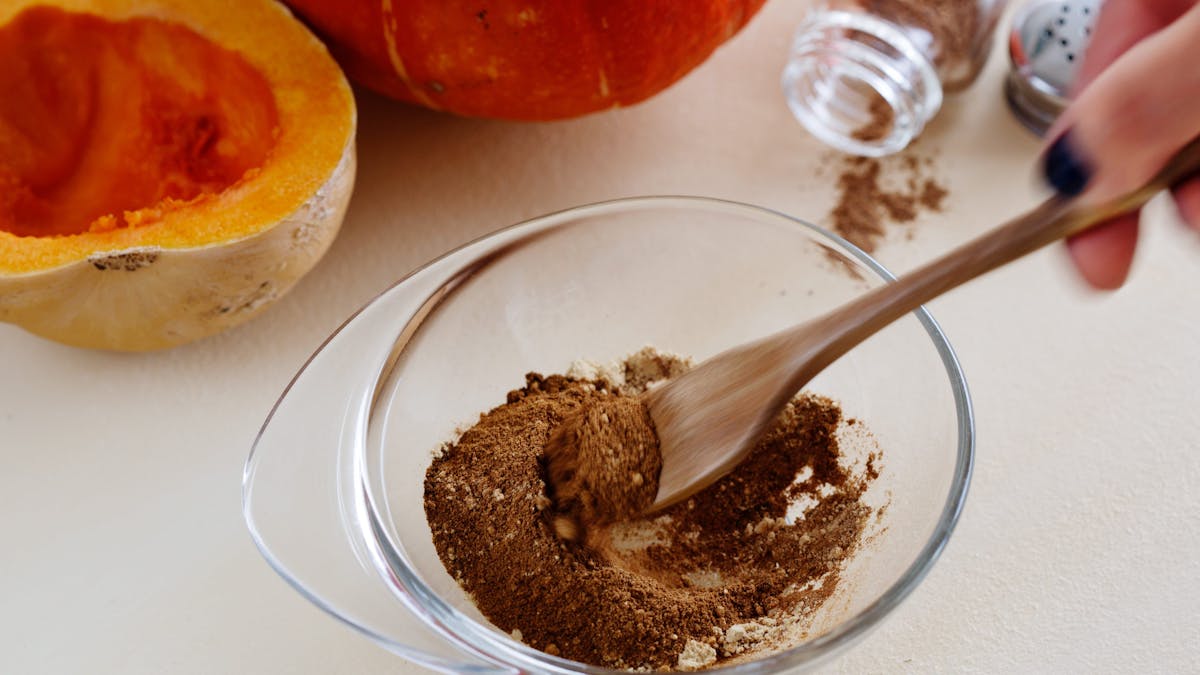
Despite the name, pumpkin spice doesn’t usually contain pumpkin. It’s a warming blend of spices traditionally paired with pumpkin, typically including cinnamon, ginger, nutmeg, cloves, and allspice.
Use it to bring fall flavor to low-carb cakes, cookies, breads, desserts, coffee, or even spiced nuts. You can buy pumpkin spice ready-made or easily mix your own with our recipe below.
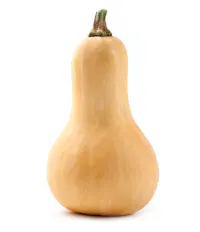
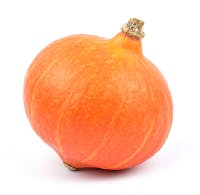
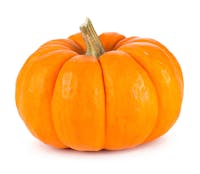
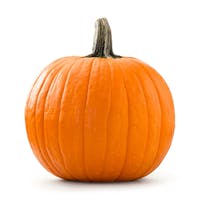
Our favorite pumpkins and squashes
Pumpkin and winter squash vary in sweetness, texture, and carb content, so some varieties may fit your low-carb lifestyle better than others. Here are a few of our favorites, their approximate carb counts, and some of the best ways to use them.